
Between dance challenges and cat videos, TikTok and YouTube emerged as unlikely heroes in the academic world. While many educators initially scoffed viral study methods that work on these platforms, recent observations suggest that some techniques are actually backed by cognitive science. As a student navigating through endless study hacks, you might wonder which viral study methods are worth your time. The good news? Several of these methods have been endorsed by educators and are supported by research.
The Pomodoro Technique: Not Just Another Pretty
Timer
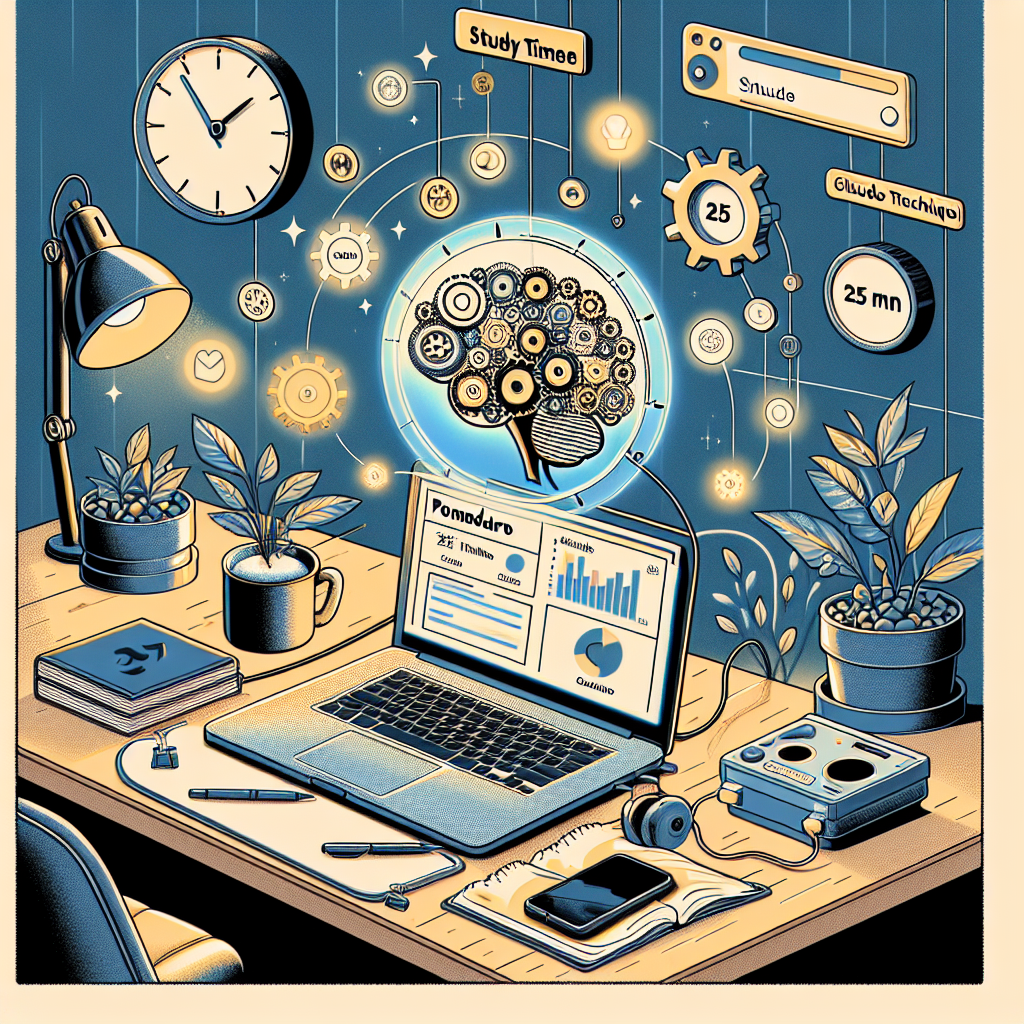
If you have spent any time on StudyTok [1] or YouTube study channels, you would probably encounter aesthetic study timers set to lo-fi beats. The Pomodoro Technique, which suggests studying in 25-minute intervals followed by short breaks, has become almost synonymous with online study culture. However, here’s the thing – it’s not just about the aesthetic. Studies have suggested that structured intervals can enhance focus and productivity. Educators on both platforms discuss the benefits of the Pomodoro Technique in improving study efficiency, emphasizing that this technique aligns well with natural concentration rhythms [2].
Active Recall: Beyond the Aesthetic Flashcards
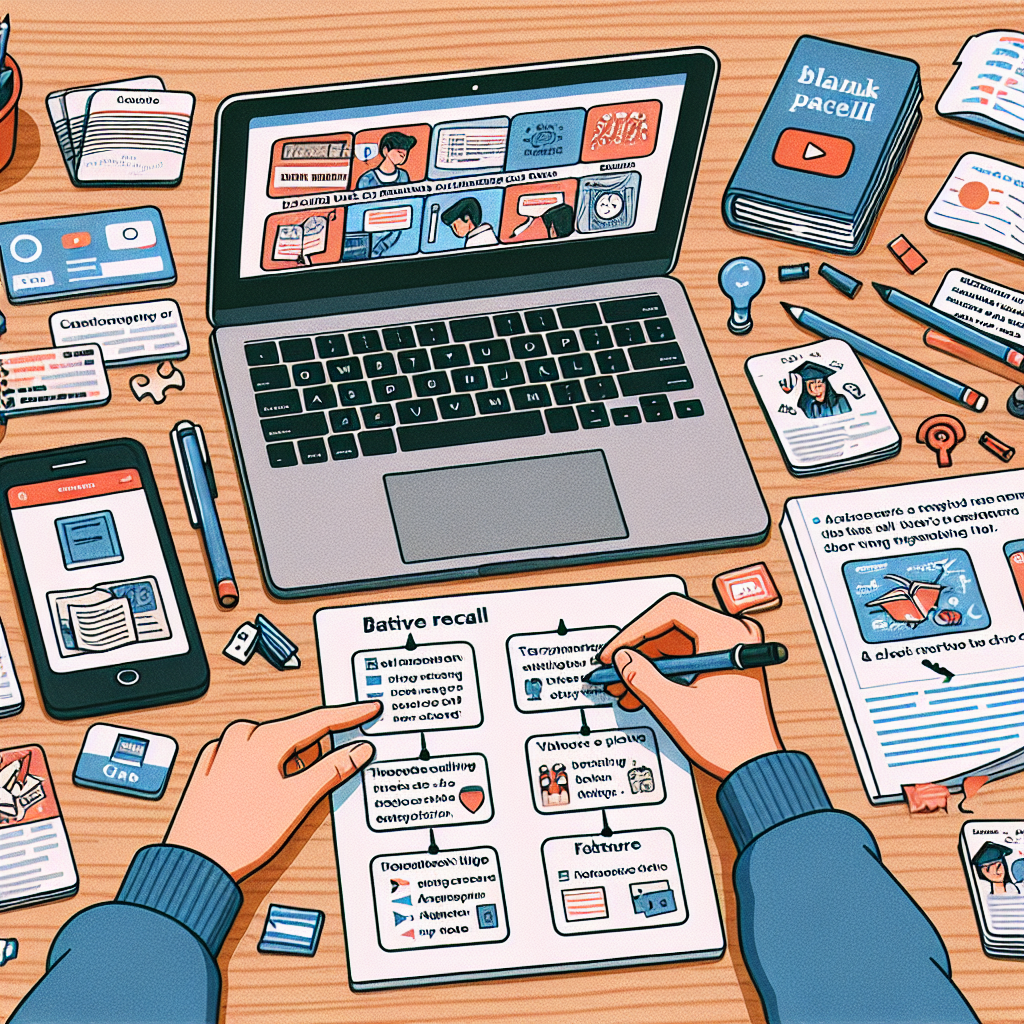
These aesthetically pleasing flashcard videos might be onto something more than just pretty study accessories. The concept of active recall, frequently featured in videos, has been a cornerstone of cognitive psychology for decades. YouTube channels, such as Venn Education, emphasize that students who regularly practice active recall perform better on exams than those who simply re-read notes [3]. In addition, Abdaal’s channel, among others, shows how the “blank page method” enhances memory retention by prompting students to write out everything they remember on a topic before checking their notes [4].
The Color-Coding Revolution: More Than Just Pretty Notes
Those rainbow-colored notes flooding your feed? These are not just for show. The strategic use of color in note-taking, popularized by StudyTok creators, involves solid scientific backing. Studies have indicated that color-coding information improves memory retention by creating visual associations. Study channels highlight how color coding helps create visual hierarchies that make information more accessible, essentially creating a visual filing system in the brain [5].
The Memory Palace Method: Creative Spins
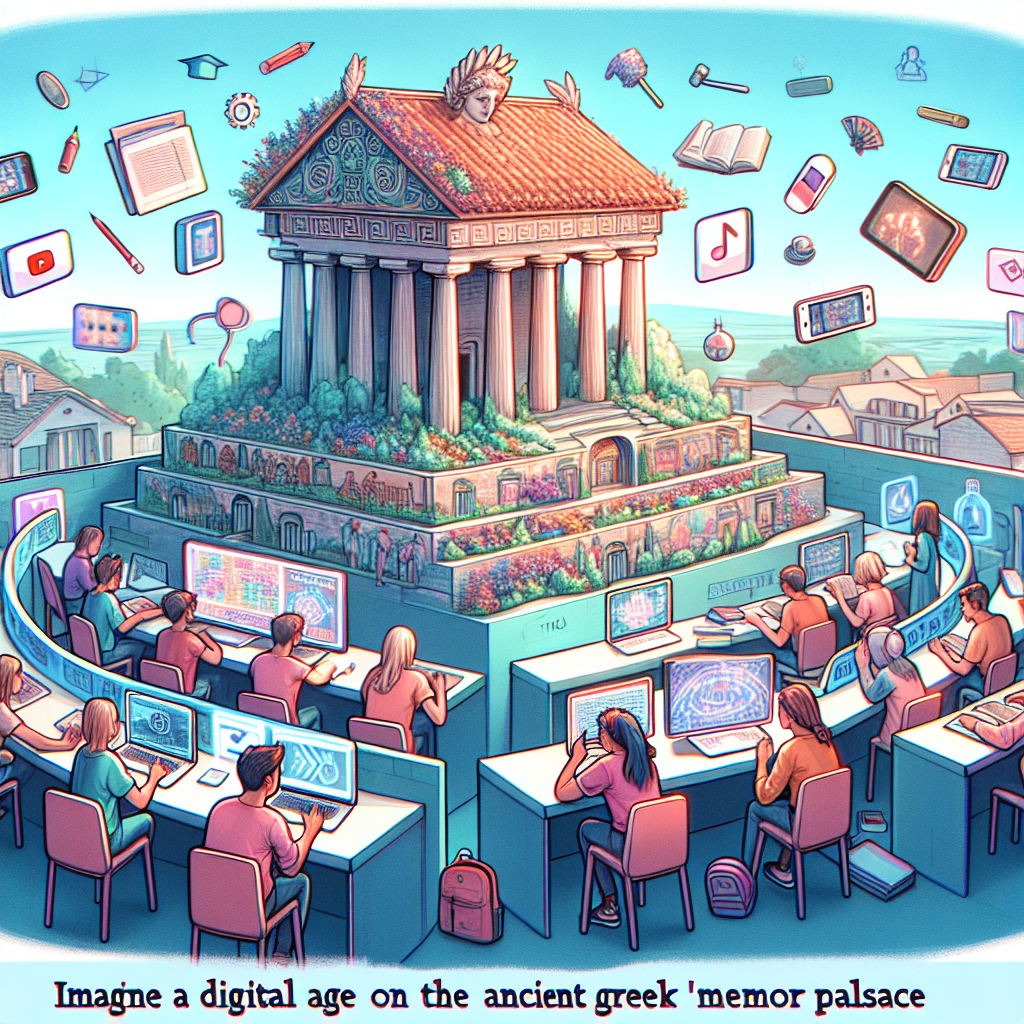
While the memory palace technique dates back to ancient Greece, creators of TikTok and YouTube have given it a modern, engaging twist. Viral videos showing students creating elaborate mental landscapes to remember complex information are not just entertaining; they are effective [6]. Educators such as Metivier [7] explain how TikTok and YouTube creators have made this technique more relatable and less intimidating, showing that it does not need to be complex to be effective.

Teaching Others: The Explanation Trend
The trend of students creating explanatory videos about their study material taps into one of the most effective learning methods, the protégé effect. Studies have shown that students who create educational content about their study material score higher on tests than those who study privately. When you have to explain something to others, even in a short video, you are forced to understand it at a deeper level [8]. Simplifying complex information on social media solidifies understanding, as noted by many educators [7].
Body Doubling: The Silent Study Buddy
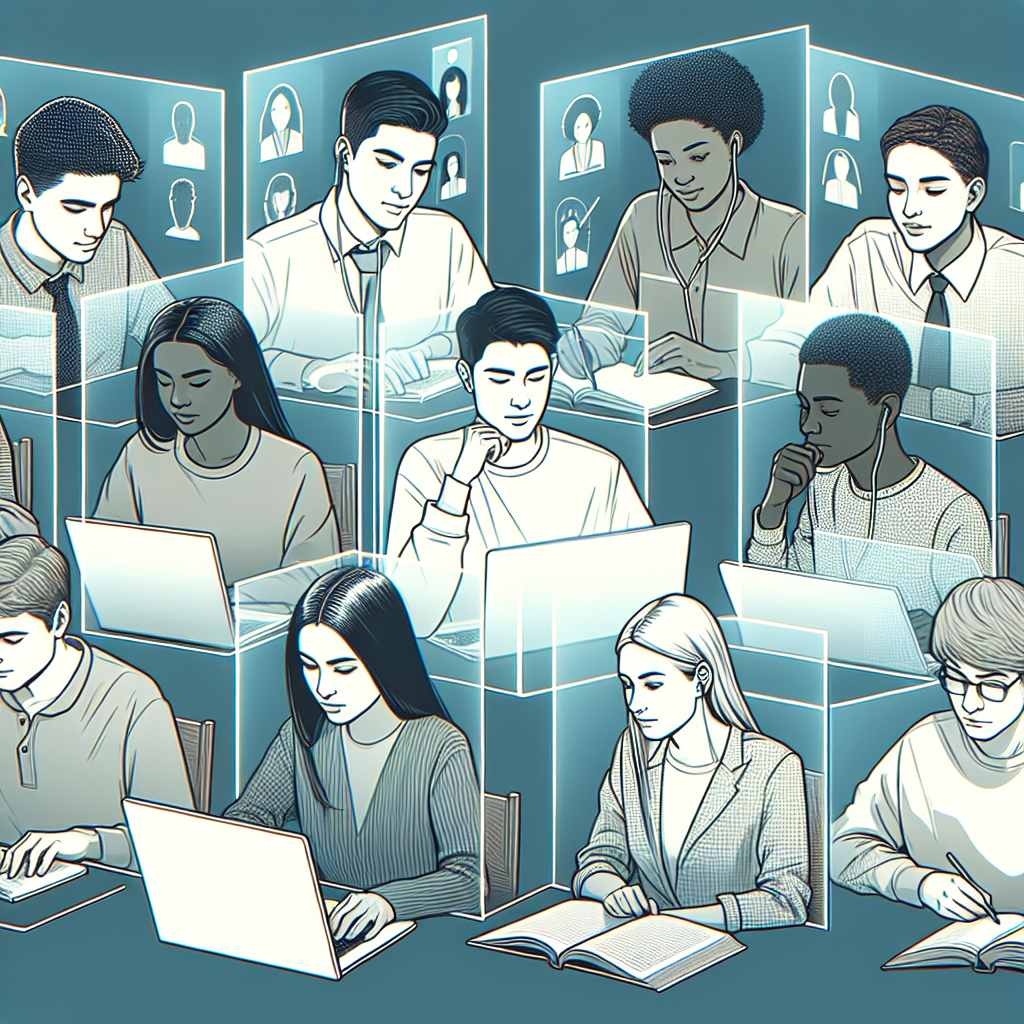
One of the more recent study trends, body doubling, in which students study alongside others virtually, has a surprising merit. Research has shown that virtual study partners can increase their focus and productivity. Educators discuss how studying with others, even virtually, provides accountability and reduces procrastination [5].
The Science Behind the Success
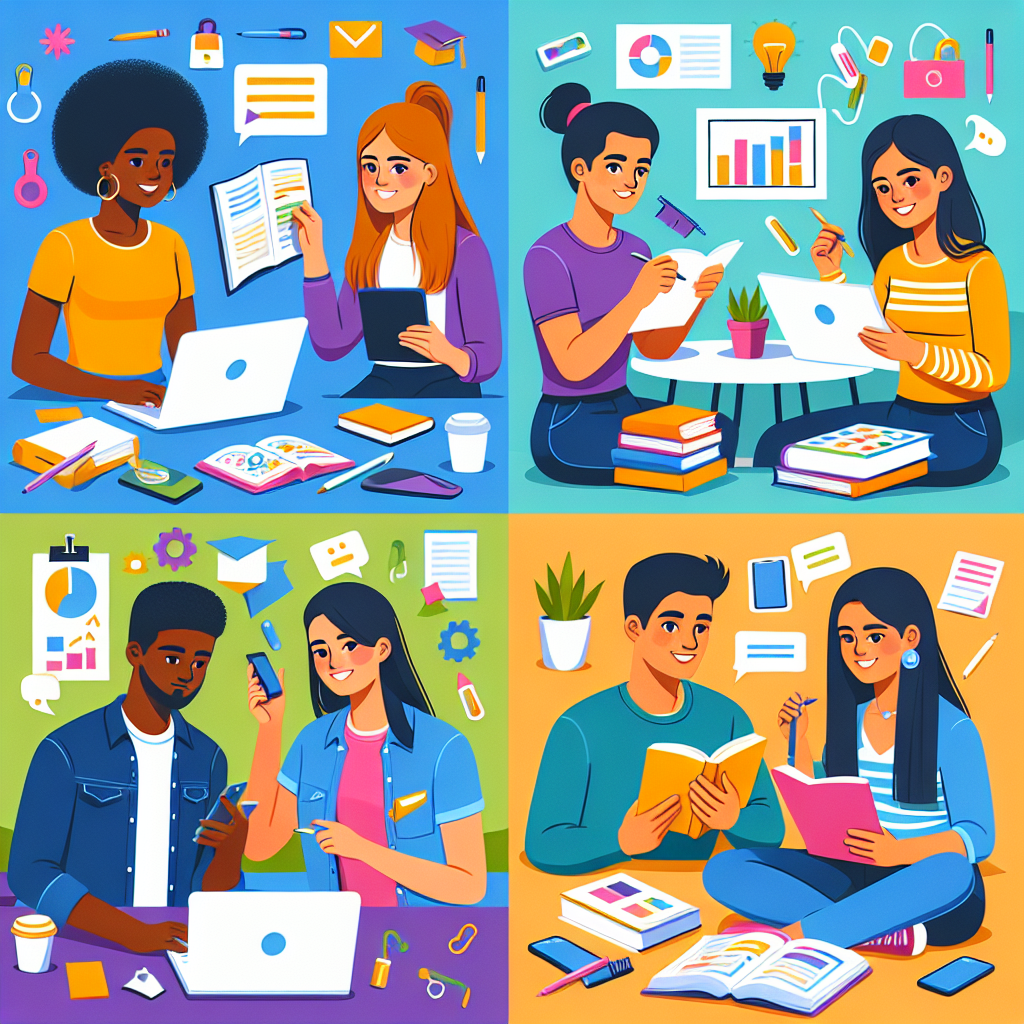
What makes these study methods work is not just their viral appeal; it is their alignment with cognitive science principles. Educators suggest that these methods succeed because they combine evidence-based learning techniques with social engagement and aesthetic appeal, making them more likely to be adopted and maintained by students [7].
As social media continue to evolve, the intersection of traditional academic research and viral study methods presents exciting possibilities. Educators conclude that what we are seeing is not just a passing trend; it is the evolution of study methods for a new generation. When these methods are backed by science and made accessible through social media, everyone wins [2].
Remember, while these methods have scientific backing, the key to academic success lies in finding what works best. These popular techniques offer a starting point but are not afraid to adapt them to their personal learning style.
References
- StudyTok. TikTok – Make Your Day [Internet]. Tiktok.com. 2024 [cited 2024 Nov 7]. Available from: https://www.tiktok.com/tag/studytok
- Abdaal A. How to study for exams – Evidence-based revision tips [Internet]. YouTube. 2018. Available from: https://www.youtube.com/watch?v=ukLnPbIffxE
- Venn Education. The Pomodoro Technique: How to Study Smarter, Not Harder in 2024! [Internet]. YouTube. 2024 [cited 2024 Nov 7]. Available from: https://www.youtube.com/watch?v=f3TewYT31Dw
- Abdaal A. How to Study for Exams – Spaced Repetition | Evidence-based revision tips [Internet]. www.youtube.com. 2020. Available from: https://www.youtube.com/watch?v=Z-zNHHpXoMM
- Koi. 7 Note-taking Secrets of the Top 1% of Students [Internet]. www.youtube.com. 2023. Available from: https://www.youtube.com/watch?v=VAPgP3ONJVo
- 1_hour_a_day. Create Your Memory Palace | Developing Perfect Memory Day 3 [Internet]. Tiktok.com. 2024 [cited 2024 Nov 7]. Available from: https://www.tiktok.com/@1_hour_a_day/video/7042881290521169158?q=The%20Memory%20Palace%20Method&t=1730962909049
- Anthony Metivier. The Memory Palace Technique For Studying [Internet]. YouTube. 2024 [cited 2024 Nov 7]. Available from: https://www.youtube.com/watch?v=c4J5ZUzCxZY
- Accenture. Brain Hacks – Teach to Learn: The Protégé Effect [Internet]. YouTube. 2021 [cited 2024 Nov 7]. Available from: https://www.youtube.com/watch?v=V6FnfEe5TGE



Leave a Reply