

Creating the ultimate study space for college students is essential for boosting productivity and academic success. Whether you are cramming for finals or taking an online class, your study space plays a significant role in determining how productive and comfortable you feel. Creating an ultimate study space does not have to be complicated or expensive. With a few simple tweaks, you can design a home office that boosts your focus, organization, and success in college. Let us break down practical tips for building a study environment that works for you.
Find the Right Location
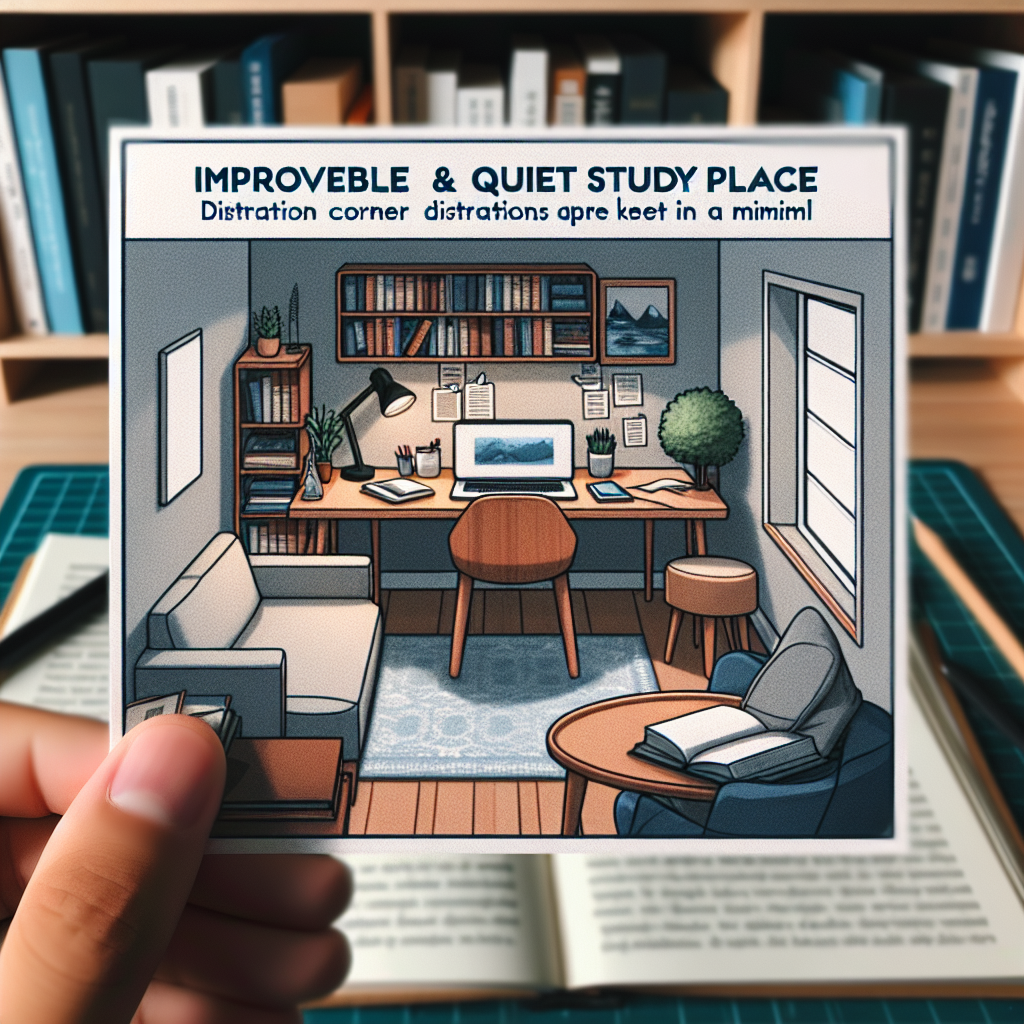
First, the correct spot is required. Finding a quiet and comfortable place to focus on can be challenging, especially if you are in a shared dorm or apartment. However, the best study space is one in which distractions can be minimized. Try to choose a corner in your room, a dedicated desk area, or even a common space with minimal noise. If possible, avoid setting up in areas such as your bed or couch, where it is easy to relax and lose focus. According to experts, having a designated workspace can signal to the brain that it is time to study, improve concentration, and work efficiency.
Invest in a Comfortable Chair and Desk
The right chair and desk can create a world of differences in how productive one feels. You will likely spend hours working, so you need furniture that supports your posture. Look for an ergonomic chair that offers back and head support and allows the feet to rest flat on the floor. “You should stay comfortable in every position you can imagine—whether you’re sitting upright or leaning back to brainstorm.” An ergonomic chair ensures that no matter how much you shift during the long study sessions, you will stay comfortable and supported.
Additionally, having drawers or storage space under the desk on the side of the dominant hand is essential for easy access to supplies. This setup ensures that everything you need, such as notebooks, pens, or textbooks, is within reach, without disrupting the workflow. In addition, make sure your laptop or computer is positioned in a way that leaves enough room for you to write and keep the necessary stationery nearby [1-3].
“You should stay comfortable in every position you can imagine—whether you’re sitting upright or leaning back to brainstorm.”
Do not forget that the best practice is to think long-term. “Your study space is more than a semester-long setup—it could be the foundation for years of productivity.” Choose furniture that you can see yourself using for the rest of your life, or at least well into your career.
Choosing ergonomic furniture and optimizing the desk layout can help maintain comfort during long study sessions and reduce the risk of developing back pain or discomfort [2].
“Your study space is more than a semester-long setup—it could be the foundation for years of productivity“
Good Lighting is Essential
Lighting can have a significant impact on mood and productivity. Natural light is the best option to keep you alert and focused. Try to position your desk near a window to take advantage of the daylight.
Additionally, consider the placement of a desk in relation to the light sources. Position your desk to avoid distractions such as bright light from windows on the side of your dominant hand or behind your laptop, as this can cause glare and make it harder to concentrate. Proper placement ensures that you have sufficient light without compromising on your focus.
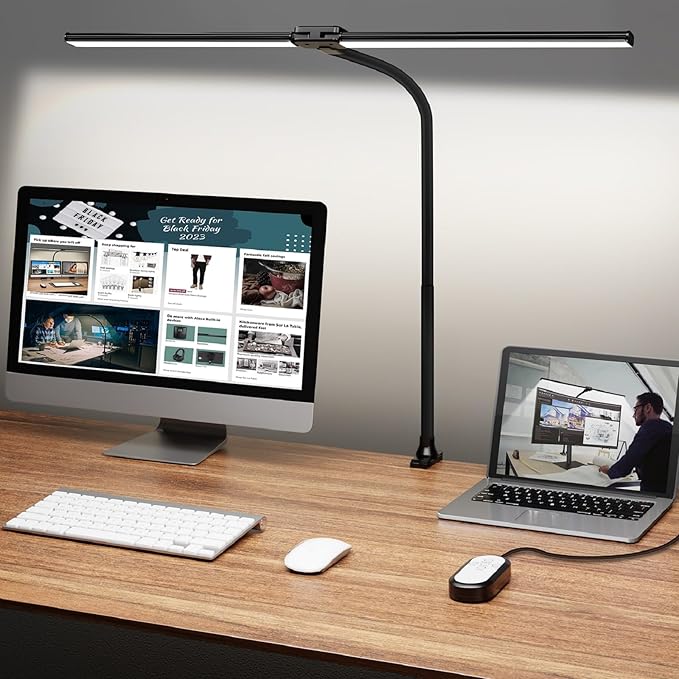
If this is not possible, invest in a good desk lamp that provides sufficient illumination without causing glare or eye strain. Experts suggest that poor lighting can lead to eye strain, fatigue, and headaches. Therefore, it is important to create a well-lit study environment [3].
Keep Your Space Organized
A cluttered workspace can lead to a cluttered mindset. To stay organized, keep only the essentials on your desk—laptop, notebooks, and any study tools you need for the task at hand. Use drawer organizers, shelves, or bins to store extra materials, so your workspace remains neat and tidy.
By keeping your study space organized, you can reduce distractions and boost your productivity, helping you stay focused on your assignments [1].

Personalize Your Space
Your study space is a reflection of you. Adding personal touches such as motivational quotes, plants, or pictures can make the study area more attractive. However, trying not to overdo it—too much décor–can become distracting. Aim for a balance between functionality and aesthetic appeal. Creating an inspiring yet minimalist workspace can increase motivation and make studying more enjoyable [2].

Use Tech to Your Advantage
Modern technology can significantly improve study efficiency. Productivity tools such as digital calendars, task management apps, or time-tracking tools are used to keep themselves organized and on task. Additionally, investing in noise-canceling headphones can help block distractions when studying in a noisy environment.
When it comes to your desktop setup, having the right screen can make a huge difference. Consider investing in a monitor that not only protects your eyes with features like blue light filters and flicker-free technology but also gives you the capability to multitask effectively. A widescreen monitor or one with split-screen functionality can allow you to view up to four files or windows at the same time, making it easier to compare notes, work on research papers, and manage multiple tasks without toggling between tabs.
Alongside a good monitor, don’t forget the importance of a quality keyboard. An ergonomic keyboard, ideally paired with an angled keyboard stand, can help maintain a comfortable typing position, reducing strain on your wrists during long study sessions.
Leveraging the right technology can streamline workflow and help manage time effectively, making it more productive and less stressful [3].
Stay Consistent with Your Setup
Once you have created an ideal study space, make it a habit to use it consistently. Having a dedicated space that you associate with your study time can improve your mental focus and help you get into a productive routine. Recall that your environment plays a key role in shaping your habits, so we use it for your advantage.

Creating the ultimate study space for college students does not have to be overwhelming or expensive. By investing in the right furniture, staying organized, and personalizing one’s setup, one can design a space that promotes focus and productivity. Recall that the key is to find hat works for you and stick with it. With these tips, you will be well on your way to acing those exams and keeping your academic life in order.
Disclosure: This post may contain affiliate links
References
- Patterson R. Setting Up a Home Office? Here’s All the Gear You Need [Internet]. College Info Geek. 2020 [cited 2024 Sep 20]. Available from: https://collegeinfogeek.com/home-office-setup/
- Anna C. Setting Up a Functional Work Space at Home for College Students [Internet]. Apu.edu. 2020 [cited 2024 Sep 20]. Available from: https://www.apu.edu/articles/setting-up-a-functional-work-space-at-home-for-college-students/
- eLearners. Ways to Set Up an Efficient Home Office for Online Learning [Internet]. eLearners. Available from: https://www.elearners.com/education-resources/online-learning/how-to-set-up-a-home-office-for-online-learning/



Leave a Reply