

There comes a point in every college student’s life when the idea of writing a research paper looms on the horizon. This seemingly daunting task often feels like a mountain to climb rather than an exciting academic opportunity. However, it doesn’t have to be that way! With the right approach and these research paper success tips, you can turn this challenge into a chance to showcase what you’ve learned and dive deep into a topic that excites you. So, ready, set, research!
Embrace the Beginning: Start Before You’re Ready
One of the biggest myths about paper writing is that you need everything figured out before you start. You might think, “I’ll begin when I have the perfect idea, outline, and vision.” But waiting for stars to align only leads to procrastination.
Take a deep breath and start, even if you’re unsure where you’re heading. As author E.L. Doctorow said, “Writing is like driving a car at night. You can only see as far as your headlights, but you can make the whole trip that way.” The same applies to your paper. You don’t need to see the entire road—just begin, and the path will become clearer.

“Writing is like driving a car at night. You can only see as far as your headlights, but you can make the whole trip that way.“

Finding the Right Professor: Your Guide and Mentor
Selecting the right professor as your advisor can profoundly impact your paper journey. Your advisor will shape your research, provide feedback, and offer support. However, it’s essential to find someone who aligns with your academic goals and work style, not just the most published or famous.
Academic expertise matters, but so does compatibility. You’ll work closely with your advisor, so consider their communication style and availability. Do they provide frequent check-ins or more independence? Finding a professor whose mentoring style suits you is key to success. Once you’ve chosen your advisor, be proactive in scheduling meetings and asking for feedback. Remember, while your professor is there to guide you, you’re ultimately responsible for your paper.
“It’s like dating with a deadline—you know it’ll end, but you’re trying to avoid any messy goodbyes.”
Finding Your Research Gap: The Key to Originality
One of the most critical steps in crafting a standout paper is identifying the research gap. This is where your paper makes a significant contribution to the field. Finding a gap may seem like searching for a needle in a haystack, especially with so much already written.
Start by exploring recent systematic reviews or meta-analyses (five to ten should do the trick). They’ll highlight research gaps and limitations. Once you’ve found potential gaps, evaluate their relevance and feasibility. Skim the abstract, introduction, conclusion, and those golden sections on future research and limitations.
Once a potential gap is identified, its relevance and feasibility should be considered. Ask yourself: Is the gap significant enough for a full paper? Do you have the resources to explore it? The best gaps advance knowledge and ignite your curiosity. But remember, as researcher Charles Kettering said, “A problem well stated is a problem half-solved.” By clearly defining the research gap, you will be halfway to develop a strong paper.
“A problem well stated is a problem half-solved.”
The Research Process: The Art of Digging Deep
Research is the foundation of any good paper. It’s not just about gathering data; it’s about digging deep, asking questions, and discovering new insights. Approach your research with curiosity and be open to different perspectives. Don’t just seek information that confirms your assumptions.
Don’t hesitate to reach out to professors, librarians, or experts for guidance. They can point you toward resources and offer valuable insights.
Aim for three to five references per page in the early stages; like packing extra snacks for a road trip. Sure, you will likely toss out the stale ones along the way, but the gems you keep will be pure gold, providing the foundation that your paper needs to shine. Therefore, overestimate now and let the best of the bunch make it the final draft.

Choosing the Right Methodology: The Backbone of Your Research
Your methodology is the backbone of your research, guiding how you collect, analyze, and interpret data. The right methodology ensures your results are valid and reliable.
Consider your research question. Are you exploring a phenomenon requiring qualitative insights, or testing a hypothesis with quantitative data? A mixed-methods approach might provide a broader understanding. Be transparent about your methods and be prepared to justify why they’re most appropriate for your study.
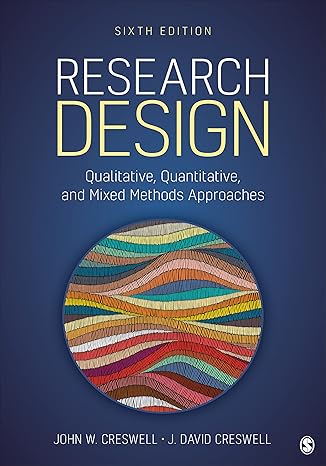
If you are gearing up for research and want to equip yourself with the right tools, these three books are like a Swiss Army knife for your academic journey. Start with John W. Creswell’s “Research Design: Qualitative, Quantitative, and Mixed Methods Approaches”, where Creswell breaks down the nuts and bolts of various research methodologies, helping you pick the perfect approach for your study like a master craftsman. Then, dive deeper into the world of qualitative research with “Qualitative Inquiry and Research Design: Choosing Among Five Approaches” where Creswell guides you through five distinct traditions—think of it as choosing your own adventure but with data. When it is time to crunch some numbers, Daniel Stockemer’s “Quantitative Methods for the Social Sciences” is your guide for navigating the sometimes treacherous waters of quantitative analysis.
Building Your Paper Structure: The Blueprint for Success
Once your research is complete, it’s time to structure your paper. Start with a clear thesis statement and break down your argument into key sections, each supported by research. Think of your structure as the foundation of a building. A solid foundation ensures stability, while a shaky one compromises the entire project. Mapping out your structure carefully will save you time later.
Writing: Turning Your Ideas into Words
With a solid structure, you’re ready to write. But here’s the secret: your first draft doesn’t need to be perfect. The goal is to transform your research into a narrative. Let the words flow, knowing you’ll refine them later. Writing a paper is like sculpting marble—the first draft is rough, but the beauty comes through revision.
Once the draft is complete, step back. Does your argument flow? Are your ideas clear? This is where editing comes in. It’s more than fixing grammar; it’s about refining your argument and improving clarity. Consider seeking feedback from advisors or peers.


Editing and Revising: The Path to Perfection
Once you have a complete draft, it’s time to step back and evaluate the bigger picture. Does your argument flow logically? Are your ideas communicated clearly? Have you effectively integrated your research into your analysis? This is where the editing and revision process begins.
Editing isn’t just about fixing typos or correcting grammar mistakes; it’s about refining your argument, improving clarity, and ensuring every part of your paper supports your overall message. At this stage, seeking feedback from your advisor, classmates, or even friends and family can be invaluable.
Keep in mind that perfection doesn’t come from the first draft—it emerges from thoughtful, careful revision.
The Final Stretch: Presenting Your Paper
After research, writing, and revisions, it’s time to present your paper. This is your moment to share your hard work with the academic community. When defending your paper, practice your presentation, anticipate questions, and be ready to discuss your research in depth. Remember, “The paper presentation is like the last scene of a movie—quick, dramatic, and the final bow before the credits roll.” You deserve to be proud of what you have accomplished.
“The paper presentation is like the last scene of a movie—quick, dramatic, and the final bow before the credits roll.”
Essential Tools for Paper Writing: From Start to Finish
The right tools can make all the difference in your paper-writing process. Use Google Scholar for research, Zotero for managing references, and Grammarly for editing. When it’s time to present, PowerPoint and Canva can help create polished, professional slides.
Writing a paper is undeniably challenging, but it’s also one of the most fulfilling academic experiences you’ll undertake. By embracing the process—starting with a strong foundation, identifying the research gap, selecting the right methodology, and utilizing essential tools—you can confidently navigate this journey with clarity.
Remember, your paper is more than just a graduation requirement. It’s a reflection of your intellectual curiosity, dedication, and contribution to your field. While AI tools can be incredibly useful for managing references, drafting outlines, and saving time, ethical use is key. AI should enhance your work, not replace it. Consider it a smart, efficient assistant that helps streamline your efforts, but you remain in control of the creative and ethical aspects of your research.
So, take a deep breath, equip yourself with the right mindset and tools, and embark on this journey that will shape not only your academic career but your future as well. Ready, set, research!
Disclosure: This post may contain affiliate links



Leave a Reply