
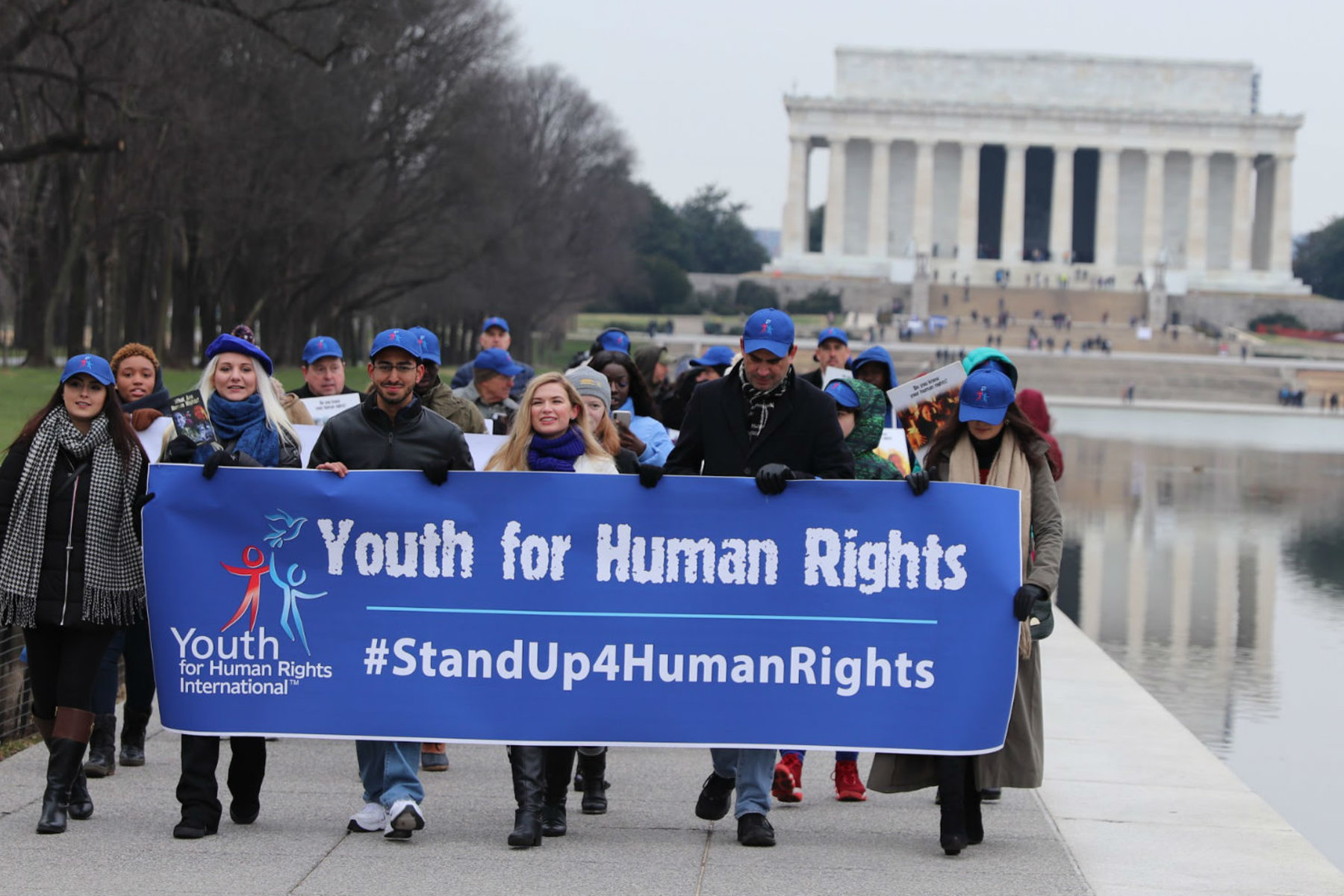
Every December, Human Rights Day reminds us of the progress made in securing dignity and freedom for all people. Yet, as the world evolves, new challenges arise, threatening the fundamental rights we often take for granted. It’s a pivotal time for careers in human rights advocacy—a field that demands passion, resilience, and an unwavering commitment to justice.
For college students weighing their career options, the call to human rights work is clearer than ever. This isn’t just a career; it’s a chance to change lives, amplify marginalized voices, and confront the most pressing issues of our time.
The Changing Landscape of Human Rights Advocacy
From climate change to digital privacy, human rights challenges are no longer confined to traditional issues. Rising global inequality, the refugee crisis, and threats to democracy underscore the urgency for dedicated advocates. These challenges demand innovative solutions, interdisciplinary approaches, and a new generation of leaders ready to step forward.
As the world becomes more interconnected, violations in one region can quickly impact others. Careers in human rights advocacy offer an opportunity to be part of the solution, whether through grassroots organizing, policy-making, journalism, or law.
Why Now? The Growing Urgency
Imagine this: a journalist exposing labor abuses in global supply chains, a legal advocate fighting for refugees’ rights in court, or an activist leading a social media campaign against systemic racism. These are just a few examples of how advocates today are working to address urgent issues in real time.
In recent years, technological advancements have created new battlegrounds for human rights. From surveillance tools infringing on privacy to algorithms reinforcing discrimination, the digital age has opened a Pandora’s box of challenges. Careers in human rights advocacy have become more critical in holding institutions accountable and safeguarding freedoms in this rapidly changing landscape.
The Power of Advocacy
Advocacy isn’t just about fighting injustice—it’s about giving people hope. Take, for instance, Maria, a human rights lawyer who recently helped a refugee family gain asylum. “Their gratitude reminded me why I do this work,” she says. “It’s about restoring faith in humanity, one case at a time.”
This power to transform lives is what makes human rights advocacy so rewarding. Every victory, no matter how small, creates ripples of change, empowering individuals and communities to reclaim their dignity and rights.
Careers That Make an Impact
For students wondering how to break into this field, the options are as diverse as the challenges themselves.
- Human Rights Law: Representing individuals or groups in courts to protect their rights.
- Grassroots Activism: Working with local communities to create sustainable change.
- Journalism: Bringing attention to human rights violations through compelling storytelling.
- Policy-Making: Shaping laws and regulations to ensure justice and equality.
These are just starting points. Regardless of your academic background, there’s a place for your skills and passion in human rights advocacy.
How to Get Started
The path to a career in human rights begins with small, meaningful steps. Join a campus organization dedicated to social justice. Volunteer with nonprofits or intern at advocacy groups. Attend workshops, conferences, and networking events to connect with like-minded individuals.
Education is another critical foundation. Courses in international relations, sociology, law, or even environmental science can provide the knowledge you’ll need to tackle specific issues. The key is to align your interests with a cause that resonates with you deeply.
Overcoming Challenges
Human rights advocacy isn’t without its obstacles. Limited funding, bureaucratic hurdles, and the emotional toll of confronting injustice can be daunting. But these challenges also make the victories more meaningful.
Consider Jamal, a digital rights advocate who faced relentless opposition when exposing corruption in his country. “There were moments I wanted to give up,” he admits. “But knowing I was part of something bigger kept me going.”
Stories like Jamal’s remind us that advocacy requires resilience and a belief in the power of collective action.
The Ripple Effect of Advocacy
What makes careers in human rights advocacy so vital is their ripple effect. Helping one person can lead to broader societal changes. A single case can set a legal precedent, a report can inspire a movement, and a campaign can change public opinion.
By choosing a career in advocacy, you’re not just helping individuals—you’re shaping a future where dignity, freedom, and equality are universal rights.
The world needs human rights advocates now more than ever. The challenges we face today demand courage, creativity, and a deep commitment to justice. If you’re a college student searching for a career that aligns with your values, look no further. Careers in human rights advocacy offer a chance to make a real difference in the world. On this Human Rights Day, reflect on how your skills, passions, and experiences can contribute to the global fight for dignity and justice. Because the fight isn’t over—and we need you in it



Leave a Reply