
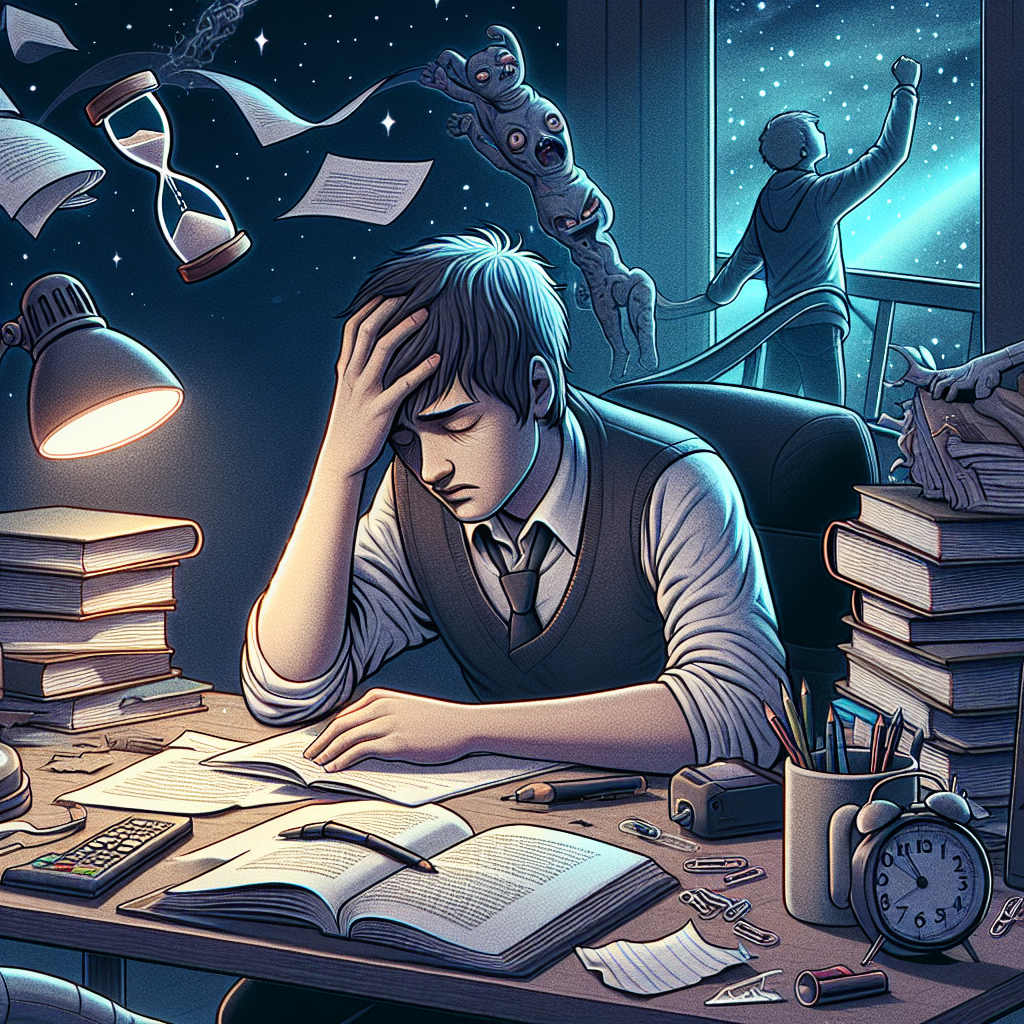
Academic burnout is a real experience that college students face more than ever before. With packed schedules, high expectations, and an ever-present fear of falling behind, students often feel that they are running fumes. Exhaustion, detachment, and drop in performance do not just affect grades; they impact physical health, emotional well-being, and the joy of learning. Understanding the warning signs of burnout and learning how to manage them are essential for reclaiming a healthy balance.
The term “burnout” among college students is often mistaken for stress; however, a crucial difference exists. While stress can sometimes motivate individuals, burnout is marked by mental, emotional, and physical exhaustion, leading to feelings of incompetence, cynicism, and an overwhelming sense of detachment [1]. This distinction is critical: whereas stress may temporarily spur productivity, burnout signals a deeper and more detrimental impact on students’ overall well-being [2]. However, it is important to understand that this is not a sign of weakness or inability to handle college life; it is a natural response to prolonged pressure without proper recovery periods.
Spotting Academic Burnout: The Signs You Shouldn’t Ignore
The symptoms of burnout in students mirror those of other high-stress professions. Academic burnout manifests in three main components: emotional exhaustion, depersonalization (or cynicism), and reduced academic efficacy [3]. These feelings arise from a sustained imbalance between academic demands and available resources, creating a sense of helplessness and detachment from one’s studies [4].
Burnout does not hit all at once; it creeps in stages. The warning signs of academic burnout can be subtle at first and gradually intensifying until they become impossible to ignore. One of the most notable signs is physical and mental exhaustion, in which no amount of rest appears to be relieved. It’s waking up still tired after a full night’s sleep, dragging through classes, and feeling mentally foggy, even during the subjects you once enjoyed. Burnout can also appear as cynicism or a detachment from academic and social life. Activities that once brought excitement or motivation may now feel pointless or irritating, contributing to an unmotivated, “why bother?” attitude.
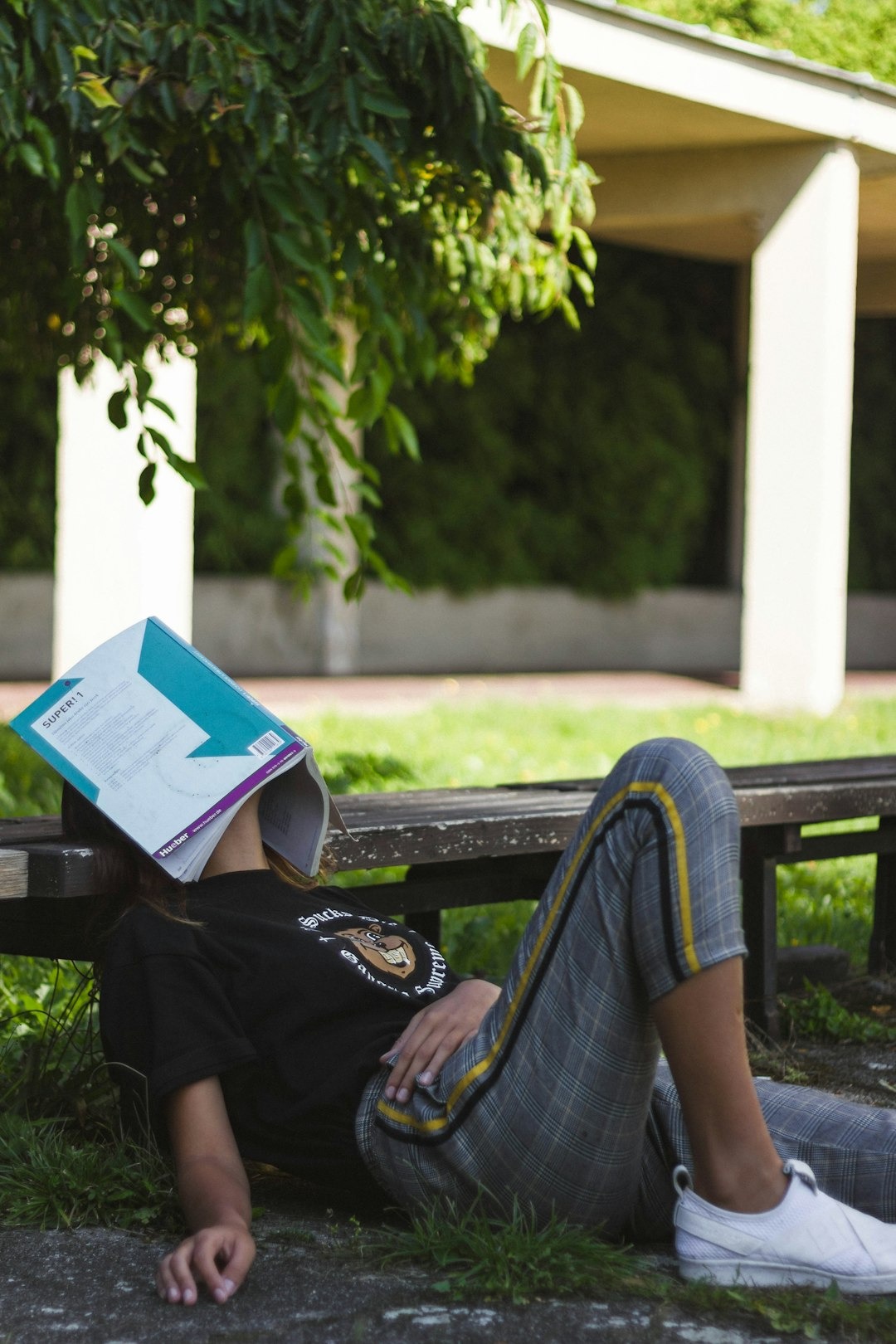
Another common symptom is sharp decline in performance. When burnout is set in, concentration plummets, making tasks like studying for exams, or finishing assignments feel insurmountable. This loss of academic satisfaction can feed a cycle of guilt and disappointment, making it even more difficult to break out of burnout. At its worst, burnout may even result in physical symptoms, such as headaches, insomnia, or stomach issues, which only reinforce stress [5].
Emotionally, burnout can feel like a roller coaster. This emotional disconnection is particularly concerning because it can lead to isolation only when support is most needed.
Breaking the Burnout Cycle: Steps Toward Recovery
The first step in healing from burnout is to recognize that it requires intentional, consistent self-care rather than temporary stress relief. In fact, true recovery calls for sustainable lifestyle changes, not just pushing through until the next burnout episode [6]. Prioritizing self-care, particularly activities that replenish mental and physical energy levels, is essential. Here is how you can begin building these practices.
The creation of a sustainable recovery plan involves several key steps. First, establishing realistic goals and expectations is essential. This might mean having honest conversations with professors about workload management or reassessing the course schedule. Remember that the goal is not to lower your standards, but to create an achievable path to success that does not compromise your well-being.
Redefine Academic Success and Set Boundaries
A significant contributor to burnout is the relentless drive to meet high standards and achieve academic success, often at the expense of personal wellbeing. Reframing success as progress rather than perfection can help relieve some of the pressure. Setting realistic goals and acknowledging small achievements along the way can rebuild confidence and make academic tasks feel more manageable [1].
It is also vital to establish boundaries between schoolwork and social obligations. Carving out non-negotiable time slots for relaxation, hobbies, or exercise helps shift the focus from a purely work-centered life. Reconnecting activities that do not involve academic goals can provide a mental escape and restore joy in daily life.

Build a Support Network and Practice Self-Compassion
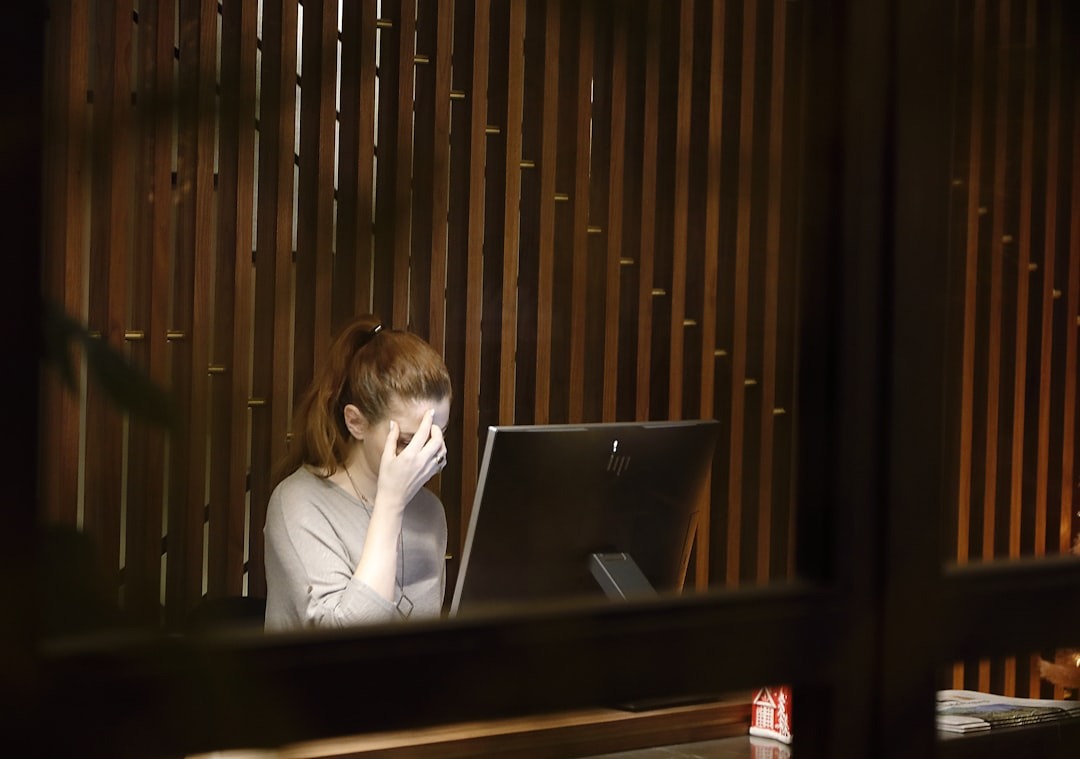
One of the most overlooked aspects of managing burnout is seeking support. Whether it is confiding in friends, joining a campus support group, or talking to a mental health professional, sharing one’s feelings can lighten the burden. Reaching out is encouraged because social connections not only reduce feelings of isolation but also offer fresh perspectives on managing stress [7].
It is equally important to practice self-compassion. Rather than being harsh or self-critical, they treat setbacks with understanding. By acknowledging that everyone struggles and needs rest, one can foster kinder self-dialogue, which is essential for long-term mental well-being.
Physical Self-Care as a Cornerstone of Recovery
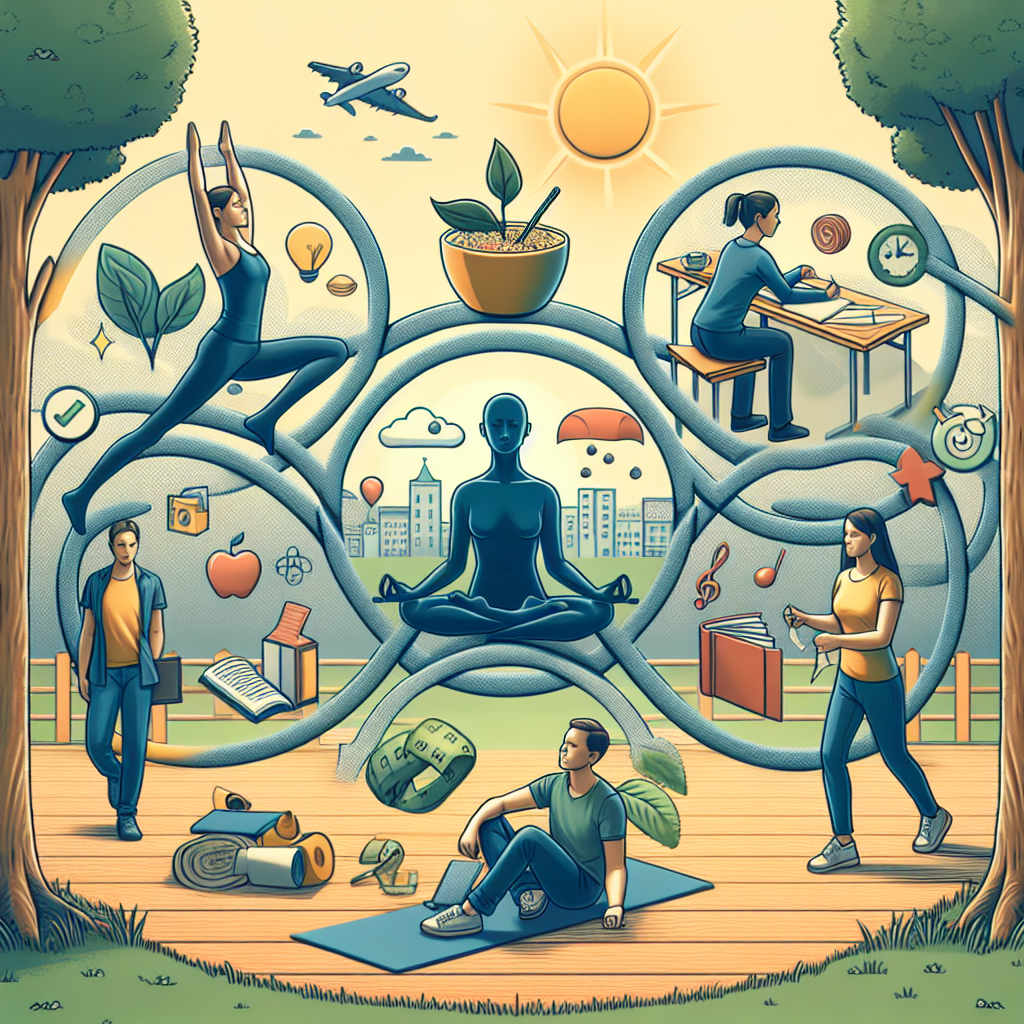
Mental and physical states are closely linked, and when one is exhausted, the other is affected. Integrating activities such as mindfulness practices, exercise, and balanced nutrition can support both the mind and body. Research in Positive Psychology suggests that activities such as yoga and mindfulness meditation help calm the mind and build resilience to stress [5].
Exercise does not have to be intense or lengthy; even a brief walk can lift mood and improve focus. Prioritizing a balanced diet, which avoids caffeine or sugar overloads, helps stabilize energy and prevents crashes that make studying impossible. When you treat your body well, it is better equipped to handle the academic demands.

Rediscover the Love of Learning by Pacing Yourself
College is meant to be a time for discovering new ideas and interests, yet burnout can make learning feel like chore. Reconnecting with curiosity and excitement, even in small and manageable doses, is crucial. Instead of cramming, students are encouraged to explore subjects at their own pace to rekindle their love for learning [5]. Allowing time to engage with topics that spark your interest can help rekindle motivation and make learning feel rewarded again.
Additionally, regular breaks during the study sessions are recommended to maintain focus and reduce fatigue. The Pomodoro Technique, where you study intensely for 25 minutes and then take a five-minute break, can be highly effective. These pauses help to prevent mental fatigue and keep you engaged [7].
Recovery from burnout is not a one-time fix but an ongoing process of maintaining balance, recognizing limits, and making adjustments when things start to feel overwhelming again. Building long-term habits such as prioritizing regular sleep, fostering healthy social connections, and engaging in hobbies unrelated to academics is essential for sustained well-being [6].
It is also worth noting that building resilience against burnout requires developing self-awareness. Learning to listen to one’s body and mind for signs of stress is crucial. By setting boundaries, prioritizing self-care, and connecting with a support network, the academic journey can be better navigated with a healthy mindset.
Academic burnout is a real challenge, but it does not have to define one’s college experience. By recognizing warning signs and taking proactive steps, you can protect your mental health and cultivate a healthier, more balanced approach to college life. Recall that you do not have to tackle burnout alone. Support is available and, by embracing sustainable habits, burnout can be prevented from hindering academic and personal growth.
Remember, you are not just recovering from burnout – you are building a stronger, more resilient version of yourself who is better equipped to handle future challenges. Your academic success matters, but your well-being matters more. With the right support and strategies, one can find a sweet spot where both can thrive.
References
- Kosmin J. Stress vs. Burnout: Addressing Burnout Among College Students [Internet]. Malvern Behavioral Health. 2023. Available from: https://www.malvernbh.com/blog/burnout-among-college-students/
- Reis D, Xanthopoulou D, Tsaousis I. Measuring job and academic burnout with the Oldenburg Burnout Inventory (OLBI): Factorial invariance across samples and countries. Burnout Research. 2015 Mar;2(1):8–18.
- Charkhabi M, Azizi Abarghuei M, Hayati D. The association of academic burnout with self-efficacy and quality of learning experience among Iranian students. SpringerPlus. 2013 Dec;2(1).
- Safarzaie H, Nastiezaie N, Jenaabadi H. The Relationship of Academic Burnout and Academic Stress with Academic Self-Efficacy among Graduate Students. The New Educational Review [Internet]. 2017 Sep 30;49(3):65–76. Available from: http://www.educationalrev.us.edu.pl/e49/a5.pdf
- Sauber Millacci T. Teacher Burnout: 4 Warning Signs & How to Prevent It. positivepsychology [Internet]. 2021 Nov 11; Available from: https://positivepsychology.com/teacher-burnout/
- Kurtuy A. Student Burnout | What Is It and How Can You Cope With It [Internet]. Novorésumé. 2022. Available from: https://novoresume.com/career-blog/student-burnout
- How To Recover From Academic Burnout [Internet]. Tilting Futures. 2024. Available from: https://tiltingfutures.org/content/how-to-recover-from-academic-burnout/



Leave a Reply