
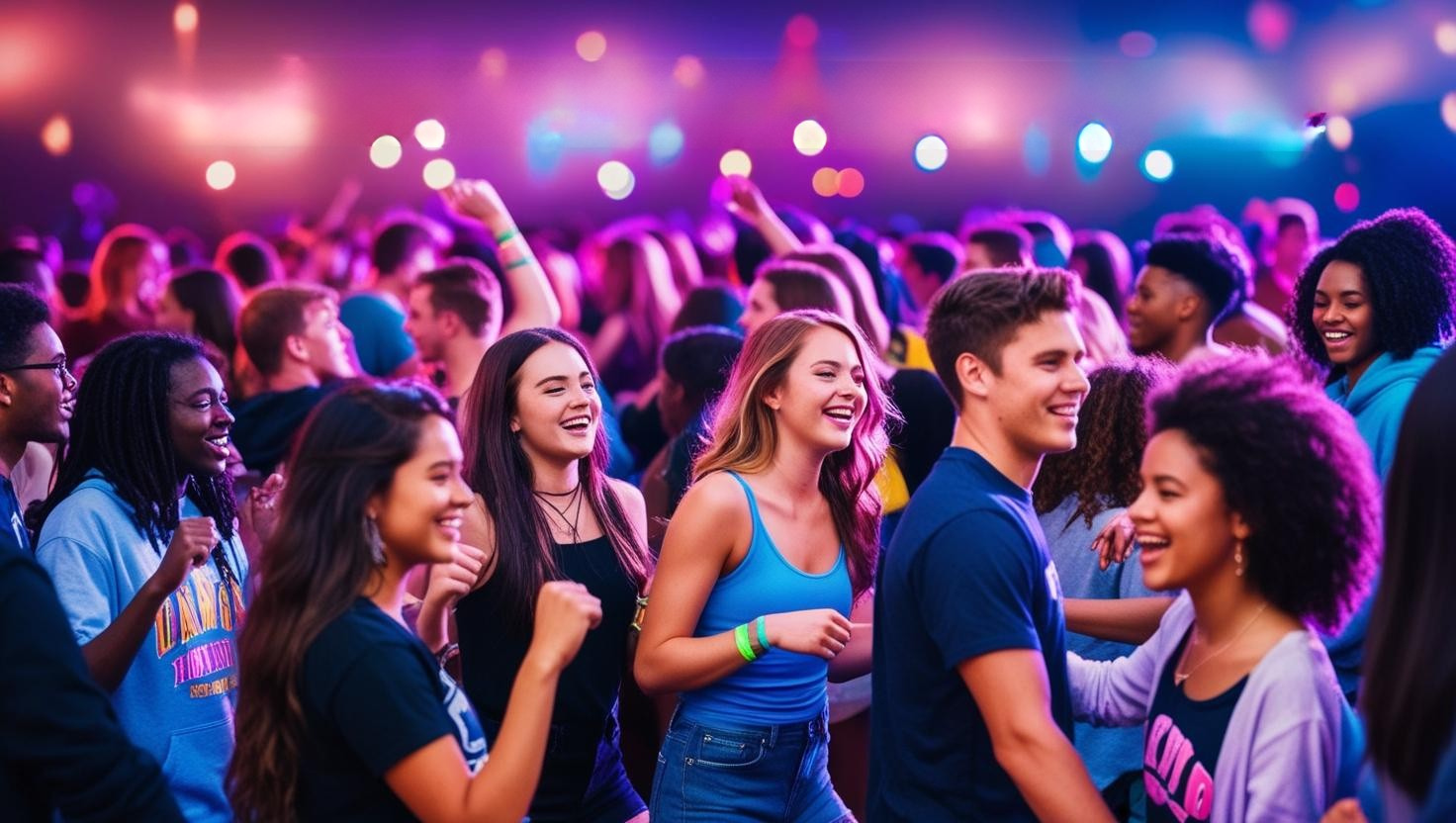
The glowsticks were out, the bass was deep enough to rattle your textbooks off their shelves, and for one electric night, campus life wasn’t about deadlines or dining hall food—it was about the music. This wasn’t your average Friday night gathering in the commons. This was the Campus Rave Revival, and for students who experienced it, the campus hasn’t felt the same since.
It all started as a casual plan—something whispered across group chats and hinted at in hallway banter. There had been talk all semester about how student life felt…flat. After the midterms fog and the usual stress stew that brews by October, students craved more than another pizza night. What they got was a full-blown campus rave that not only satisfied that hunger but transformed how nightlife is imagined here.
If you caught our last post, This Is How You Make Your Dorm Party Legendary, you already know how one dorm event became the talk of the semester. But that was just the pregame. The Campus Rave Revival was something bigger—louder, riskier, and, honestly, kind of magical.
No one really saw it coming. Sure, there were flyers with glitchy neon fonts, and rumors that a mystery DJ was coming from off-campus, someone who had played sets in underground clubs two cities over. Most of us laughed it off—campus events always promise a lot, but let’s be real, they rarely deliver. But this one? This one hit different.
The night it happened, campus transformed. The Student Union lawn had never looked like this. With LED panels strobing to the rhythm of the beat and fog machines rolling out like we were in some kind of dystopian music video, it was clear from the moment you walked up: this wasn’t your typical student-organized event. The DJ towered above the crowd, backlit like a silhouette from another universe. And then the first beat dropped.
That drop, that first beat—it felt like something cracked open. Stress melted. Finals vanished from the mental feed. There was only rhythm, bodies moving, and students—from first-years to seniors—losing themselves in the kind of collective joy you can’t schedule on a syllabus.
People came in everything from sweats to sequins. No one cared what you wore, what major you were, or how you danced. For once, the social strata of college life—athletes, theater kids, engineers, pre-meds, and the people who still don’t know their major—blurred into one wave of movement under the sky. It was liberation, and it was loud.
Academic advisors, believe it or not, noticed too. In the days that followed, there was an unexpected uptick in student engagement—more smiling faces in advising offices, students opening up about how the event helped them feel more connected. What started as an epic party turned into something much deeper: a reminder that mental wellness isn’t always found in counseling rooms or self-help workshops. Sometimes, it’s found on a dance floor at 2 a.m., under a sky strobing purple and blue.
It’s hard to pinpoint what made it unforgettable. Was it the remix of that nostalgic early 2000s hit that had everyone screaming like it was 7th grade again? The coordinated glow bracelet toss at midnight? Or maybe it was the way people talked to strangers that night like they were old friends. No barriers. No phones up in people’s faces. Just people present, alive, moving to the same rhythm.
Some students said it was the first time they’d really felt like part of the campus community. And that matters. Because for every student who arrives on campus with hopes of friendship, freedom, and discovery, there’s often a quieter undercurrent of loneliness. This rave didn’t solve everything, but it cracked the shell.
In the days after, playlists were shared like study guides. “Setlist from last Friday” became the most requested link in DMs. People started greeting each other in the quad with a grin and a knowing look—like they were all in on the same, sparkly secret. Professors joked in class about needing a rave to wake everyone up before 8 a.m. lectures. One advisor even started using music metaphors in their academic goal-setting workshops.
Student life offices took notice. Conversations started about how to foster more organic, student-led joy. Not just movie nights or scavenger hunts with lukewarm pizza, but real, intentional space for students to express, release, and recharge. What emerged was a new understanding: if you want to engage students, speak their language. And sometimes, that language is bass-heavy and 128 beats per minute.
Of course, the event had its critics. A few faculty members grumbled about the noise. One dorm reported a stolen bean bag chair (it was returned, thank you). But the overwhelming consensus? This was exactly what campus needed.
Weeks later, the echoes still linger. Someone started a “Rave Revival” club on campus—not just to plan more DJ nights, but to explore the intersection of music, community, and mental wellness. They’re collaborating with campus wellness centers, bringing in music therapists, and planning pop-up soundbath sessions during finals week. It’s the kind of glow-up student life didn’t know it needed.
The revival wasn’t just about turning up the volume. It turned up the sense of belonging. It gave students something to rally around that wasn’t competitive, graded, or performance-based. No tryouts. No prerequisites. Just show up and vibe.
And now, there’s talk of the next one. The whispers are back. The group chats are buzzing. There’s a rumor that the next DJ set might include a silent disco twist, or even VR headsets for an immersive experience. Whatever form it takes, the spirit is already here: campus nightlife redefined by the people who live it.
So if you missed it, don’t worry. This isn’t a one-time thing. The revival has begun. The soundtrack of campus life just got louder, brighter, and way more inclusive.
And if you’re an advisor wondering how to better connect with your students—maybe don’t schedule another workshop. Maybe just ask: what’s your favorite song to dance to when no one’s watching?
Because the future of student wellness might just be pulsing through a beatdrop under campus lights.
Disclosure: As an Amazon Associate, I earn from qualifying purchases. Thanks for supporting this blog and helping me stay caffeinated in the post-grad world.


Leave a Reply