
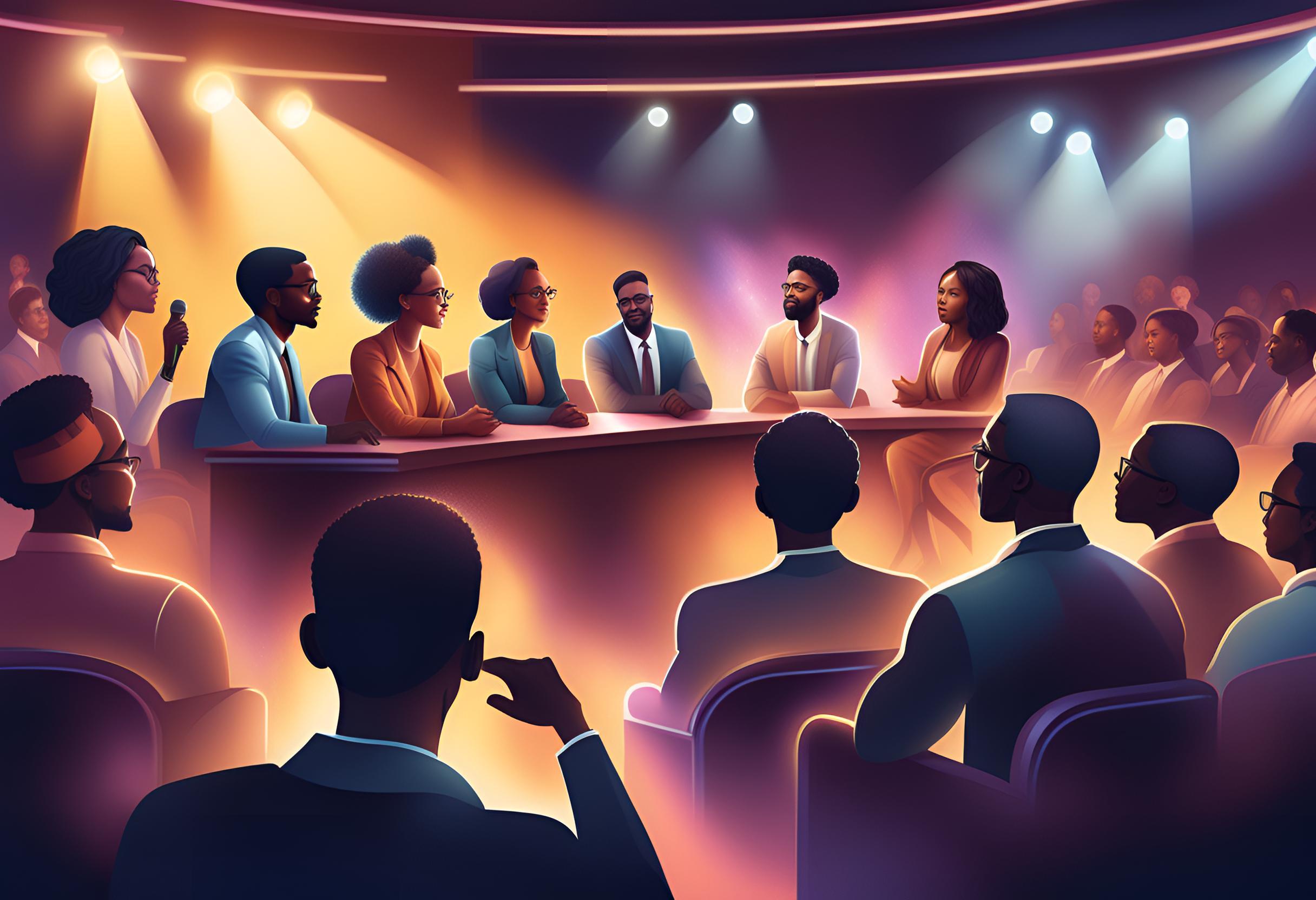
In a world where the pace of change accelerates daily, college students must equip themselves with a unique set of skills to thrive academically and beyond. Embracing the legacy of Black innovators who have not only challenged the status quo but also redefined what it means to be a leader and a visionary, this article explores revolutionary skills for college mastery by Black innovators. These skills, honed and celebrated through decades of struggle, resilience, and triumph, offer a blueprint for academic success and personal empowerment. Drawing inspiration from figures such as W.E.B. Du Bois, Mary McLeod Bethune, and Dr. Cornel West, among others, we delve into transformative capabilities that extend far beyond traditional classroom learning.
One of the most profound skills is critical thinking and analytical reasoning. College is a crucible for ideas, and the ability to deconstruct complex problems and challenge established norms has been at the heart of Black intellectual tradition for generations. Consider how Du Bois’s incisive analyses of race and society revolutionized academic thought and social activism (Du Bois, 1903). Today’s students can harness similar methods of inquiry to navigate academic research, dissect theories, and craft innovative solutions to modern challenges. This type of rigorous intellectual engagement is not simply about absorbing facts—it is a call to question, evaluate, and ultimately innovate.
Interwoven with analytical prowess is the need for cultural competency and historical context. Black innovators have consistently emphasized the importance of understanding history—not only as a record of events but as a guide for future action. Carter G. Woodson’s pioneering work in establishing Negro History Week underscores how learning from the past equips students with insights into systemic challenges and the resilience of communities (Woodson, 1926). For college students today, immersing themselves in the rich tapestry of Black history can foster a deeper appreciation of cultural diversity and prepare them to engage in a globally interconnected world.
In parallel with these intellectual skills, digital literacy and technological adeptness have emerged as indispensable tools in the modern academic arsenal. The digital revolution has redefined communication, research, and creative expression, and Black innovators have often been at the forefront of integrating technology with cultural expression. Reflecting on the contributions of tech-savvy pioneers, students are encouraged to develop robust digital skills—from coding and data analysis to multimedia communication. These competencies not only open doors to new career opportunities but also provide a platform for creative expression and social change. By learning to navigate digital landscapes, college students can ensure that they remain competitive and innovative in a technology-driven era.
Equally transformative is the power of innovative problem solving. The history of Black innovation is replete with examples of individuals who used creative thinking to overcome barriers. Dr. Charles Drew’s revolutionary advancements in blood banking and transfusion medicine exemplify how innovative problem solving can save lives and change entire industries (Drew, 1942). For students, adopting a mindset that embraces challenges as opportunities to think outside the box is essential. It means viewing every setback as a learning opportunity and every complex problem as a puzzle waiting to be solved. This skill, when cultivated, nurtures resilience and sparks ingenuity in academic projects and real-world endeavors.
Alongside problem solving, the ability to communicate with clarity and creativity is a transformative skill. In an era defined by information overload, the capacity to articulate ideas in compelling ways can set a student apart from the crowd. Black innovators have long mastered the art of communication—whether through spoken word, literature, or digital media. The eloquence of leaders like Dr. Cornel West, who combines philosophical insight with passionate rhetoric, inspires students to refine their own voices (West, 1993). Developing strong communication skills is about more than just public speaking; it involves active listening, persuasive writing, and the creative expression of ideas that resonate on a personal level.
No exploration of revolutionary skills would be complete without acknowledging the entrepreneurial mindset and the importance of resilience. The journey through college often comes with financial and personal obstacles, yet the entrepreneurial spirit—championed by figures like Mary McLeod Bethune—teaches students to see possibilities where others see problems (Bethune, 1943). This mindset is rooted in the courage to innovate, the ability to take calculated risks, and the persistence to rebound from failure. College is the perfect incubator for entrepreneurial ventures, where passion meets practicality, and ideas are transformed into actionable plans.
Equally essential is the art of leadership and community building. Throughout history, Black innovators have demonstrated that true leadership is about serving others and fostering collective growth. The legacy of community-oriented leaders provides a powerful lesson for college students: effective leadership requires empathy, vision, and a commitment to the greater good. Building networks, mentoring peers, and engaging in campus organizations are all manifestations of this leadership skill. Such community-driven initiatives not only improve academic outcomes but also cultivate a sense of belonging and shared purpose on campus.
Moreover, interdisciplinary learning and adaptability are pivotal skills for mastering college life. Today’s academic environment is characterized by the convergence of multiple disciplines, where traditional boundaries blur and new connections emerge. Black innovators have thrived by crossing conventional lines, integrating arts, sciences, and social thought into cohesive frameworks that drive progress. Students who embrace interdisciplinary approaches can draw from a diverse reservoir of knowledge, applying insights from history, science, art, and technology to solve modern problems. This adaptability is a testament to the enduring spirit of Black creativity and intellectual flexibility, allowing students to pivot gracefully in an ever-evolving academic landscape.
Emotional intelligence and empathy further distinguish successful college students. In a competitive environment, understanding one’s own emotions and those of others is crucial. The empathetic leadership demonstrated by influential Black figures reminds students that success is not solely measured by academic achievement, but also by the ability to build meaningful relationships and foster supportive communities. Emotional intelligence enables students to navigate the complexities of campus life, from resolving conflicts to collaborating on group projects. As research in social psychology suggests, higher emotional intelligence is linked to improved academic performance and overall well-being (Goleman, 1995). Cultivating this skill contributes to a balanced and fulfilling college experience.
Finally, the embrace of a global perspective and commitment to social justice serve as cornerstones for college mastery. Black innovators have continuously championed social justice, advocating for equality and systemic change on both local and global scales. This broader worldview is vital for college students, who are increasingly expected to engage with global issues—from climate change and human rights to economic disparities and technological ethics. By adopting a global mindset, students can better understand their role in a connected world and contribute to meaningful change. This commitment to justice and equity is not merely an academic exercise but a call to action that inspires a lifetime of advocacy and leadership.
Throughout this journey of skill development, the stories of Black innovators provide both inspiration and a roadmap for success. Their lives illustrate that mastery in college and beyond is not achieved by following a single path, but by integrating diverse talents and perspectives into a cohesive whole. Each of these revolutionary skills—critical thinking, cultural competency, digital literacy, innovative problem solving, creative communication, entrepreneurial resilience, leadership, interdisciplinary learning, emotional intelligence, and a global perspective—represents a vital component of a modern education. When combined, they empower students to not only excel academically but also to drive social change and contribute to a more equitable future.
In reflecting on these transformative capabilities, it becomes clear that the path to college mastery is as dynamic as it is demanding. The skills discussed here are not mere checkboxes on a resume; they are living, evolving tools that require continuous refinement and application. As college students navigate the complexities of higher education, they can look to the legacy of Black innovators as a source of guidance and motivation. Their achievements remind us that true excellence comes from embracing challenges, thinking beyond conventional wisdom, and remaining steadfast in the pursuit of knowledge and justice.
Embodying these skills in everyday academic life means more than simply excelling in coursework—it means cultivating a mindset that is resilient, innovative, and deeply attuned to the world’s needs. It means engaging with ideas that challenge, inspire, and transform, much like the work of the great minds who have come before. For every student seeking to leave a mark on the world, the integration of these revolutionary skills is a powerful step toward a future defined by both academic mastery and social impact.
By embracing these principles, college students can forge a path that honors the rich legacy of Black excellence while paving the way for a future of boundless possibilities. Whether it is through the lens of analytical reasoning or the power of empathetic leadership, these skills serve as a testament to the enduring strength and innovation of Black thinkers. In the face of uncertainty and rapid change, they stand as beacons of hope, resilience, and the transformative power of education.
As you embark on your academic journey, remember that each skill you cultivate is a brick in the foundation of your future. Let the wisdom of Black innovators guide you, and let their revolutionary spirit inspire you to push boundaries and redefine what is possible. In doing so, you not only empower yourself but also contribute to a legacy of excellence that will resonate far beyond the classroom.



Leave a Reply