
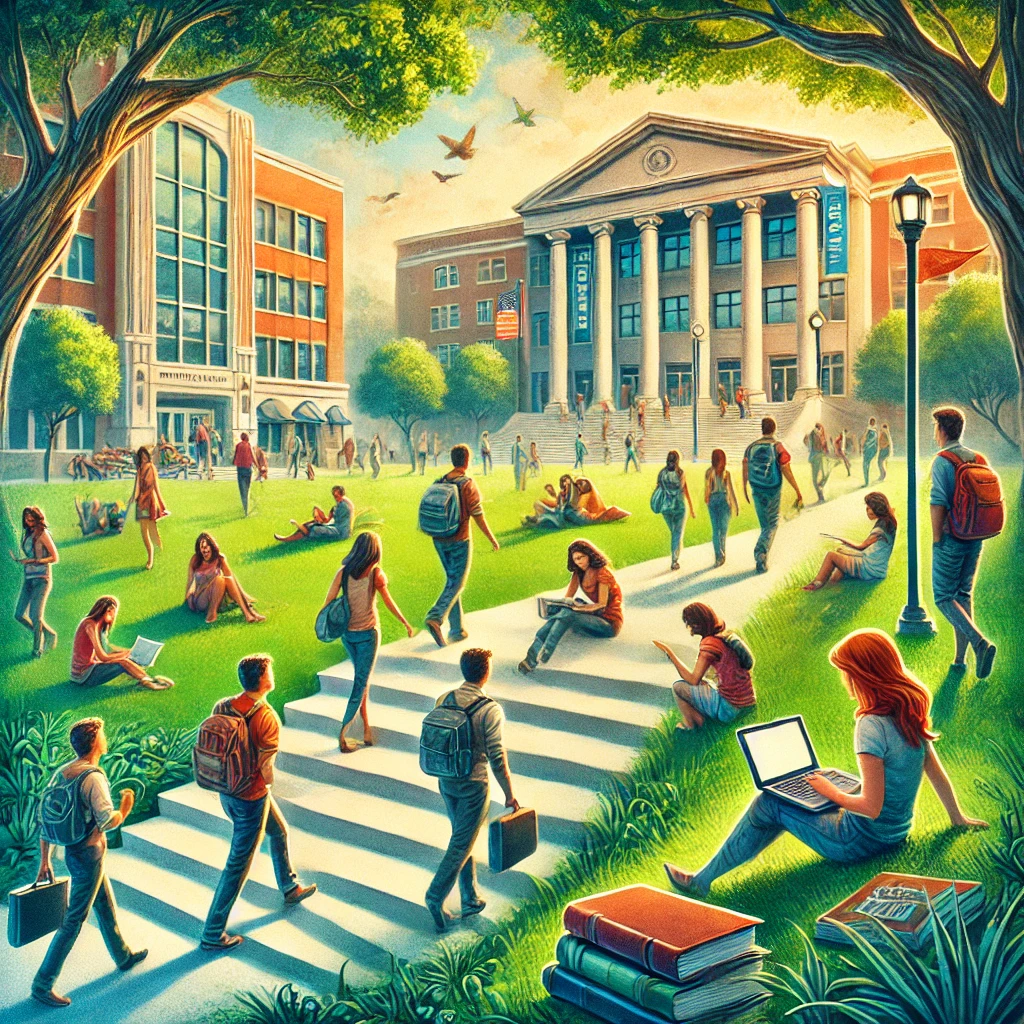
Stepping into college, I thought I had everything planned out, but what I wish I’d known back then could have saved me a lot of stress. Looking back, there are countless lessons I wish freshman me had understood from the start. Here’s a reflective take on the advice I wish someone had shared with me on day one, filled with insights that could make your college journey smoother.
College is a Balancing Act
College isn’t just about academics. You need to strike a balance between school, social life, and most importantly, “YOU” time. Burning the candle at both ends won’t just hurt your GPA—it will wear you down. From personal experience, creating a manageable schedule and sticking to a self-care routine saved me. Take time for yourself and know when to say no to parties or extra work. Balance is key to surviving (and thriving) in college.

Prioritize Classes (Because They’re Your Ticket to Everything Else)
College is packed with social opportunities and exciting events, but your top priority should always be your education. While parties and extracurriculars are tempting, remember why you’re really here: to succeed academically. If you ace your classes, everything else will follow. The most successful students are the ones who consistently prioritize their studies, building a solid foundation for all the future opportunities that come their way [1].
The Power of Showing Up: Why Attendance Can Make or Break Your Success
It might sound old-school, but simply showing up to class is a game changer. In fact, attendance is one of the biggest predictors of academic success in college, even more so than your SAT scores [1]. College professors often leave it up to you to decide, but making the effort to attend every class demonstrates a work ethic that will serve you well, not just in school but in life. And don’t just sit there—engage! Ask questions, clarify doubts, and challenge ideas [2]. Plus, when it comes to note-taking, handwriting trumps typing. Professors often assume you’re distracted on your laptop, but handwriting forces you to focus and helps you retain information longer. You’ll thank yourself later when you look back at those notes!
Be Prepared for Papers and assignments—But Don’t
Fear Them
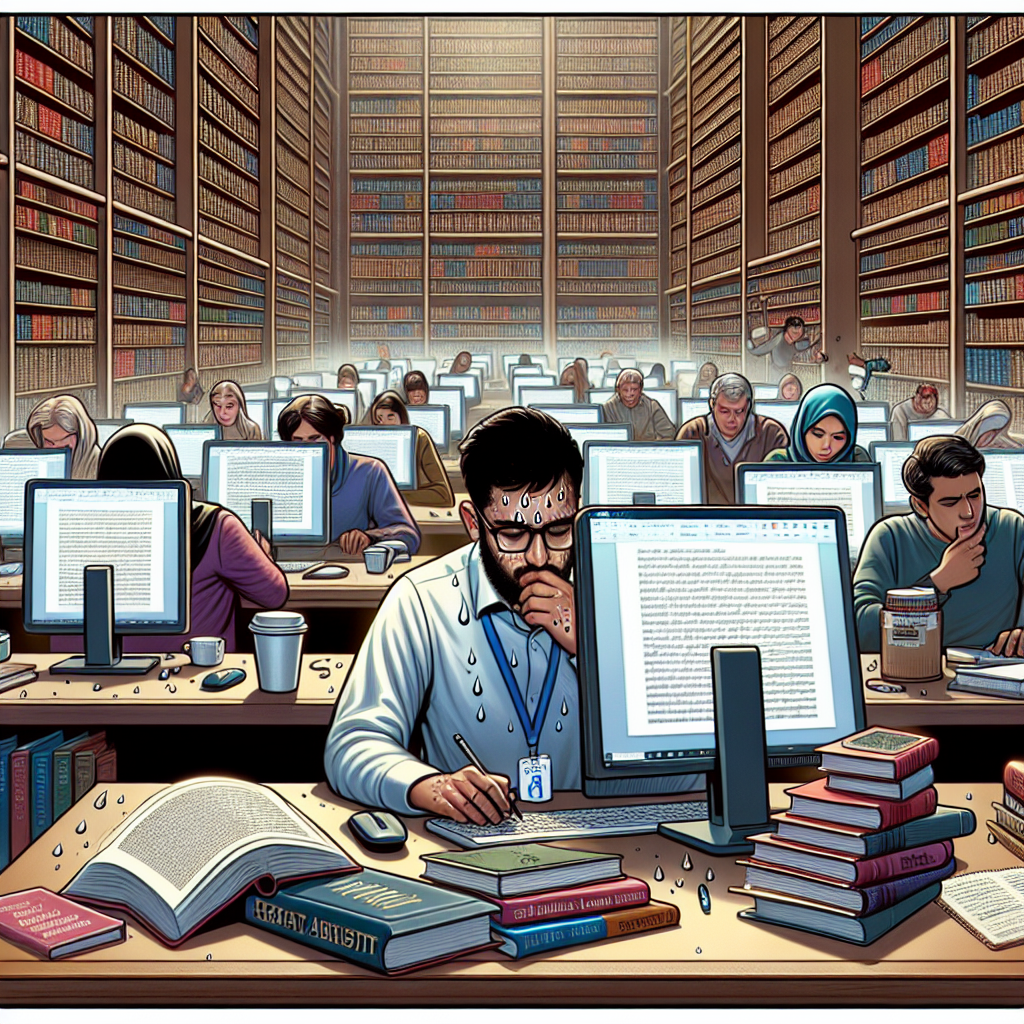
Papers will be a constant during your college years, but they’re not something to fear. I used to dread them, but with time, I realized they taught me more about myself than any multiple-choice exam could. Writing helps you develop critical thinking and express your ideas. By the time I wrote my last paper, I had learned so much more about “ME”—my strengths, my voice, and my way of thinking. So embrace the process and remember that papers are an opportunity to grow.
In this context, plagiarism is viewed as a severe offense by professors, as it undermines the educational process and disrespects their dedication to the subject. Claiming ignorance is not a valid excuse, and punitive actions are often unavoidable. Plagiarism suggests that a student values grades over learning and fails to develop crucial writing skills. One common form is “turn-of-phrase plagiarism,” where students slightly alter text they copied from sources like Wikipedia. Even if you change the wording, it’s still plagiarism. Instead, students should focus on developing original writing skills without resorting to cutting and pasting [2].
Find Mentors, Not Just Professors
Professors aren’t just there to hand out grades—they can be incredible mentors if you take the time to connect with them. During my first year, I was focused on just passing my classes, but looking back, I wish I had sought out people who cared about my long-term success—whether it was professors, advisors, or upperclassmen. Building these relationships can guide you in the right direction and offer invaluable advice along the way [3].
Let’s be honest—you’re going to have some professors who are difficult to deal with. I remember sitting through a course thinking, “Is this for real?” But it taught me a crucial lesson: don’t be afraid to talk to your professors, even the tough ones. If you’re struggling, ask for help. Chances are, they’ll appreciate your initiative. Remember, they’re there to help you grow, not just lecture at you. A little communication can go a long way [2].
Office Hours: The Hidden Gem for Success
Your professors are more than just lecturers—they genuinely want to help you grow, both academically and personally. While they might seem intimidating with their advanced degrees, remember they’re in this field to support students like you. One of the most overlooked resources is office hours, where you can have one-on-one time to ask questions, get advice, or just connect. Don’t wait until the semester’s almost over—start early and build those relationships [4]. And even with those tough professors, don’t be afraid to reach out. A little communication can go a long way in helping you succeed [2].
Don’t Be Afraid to Change Your Major
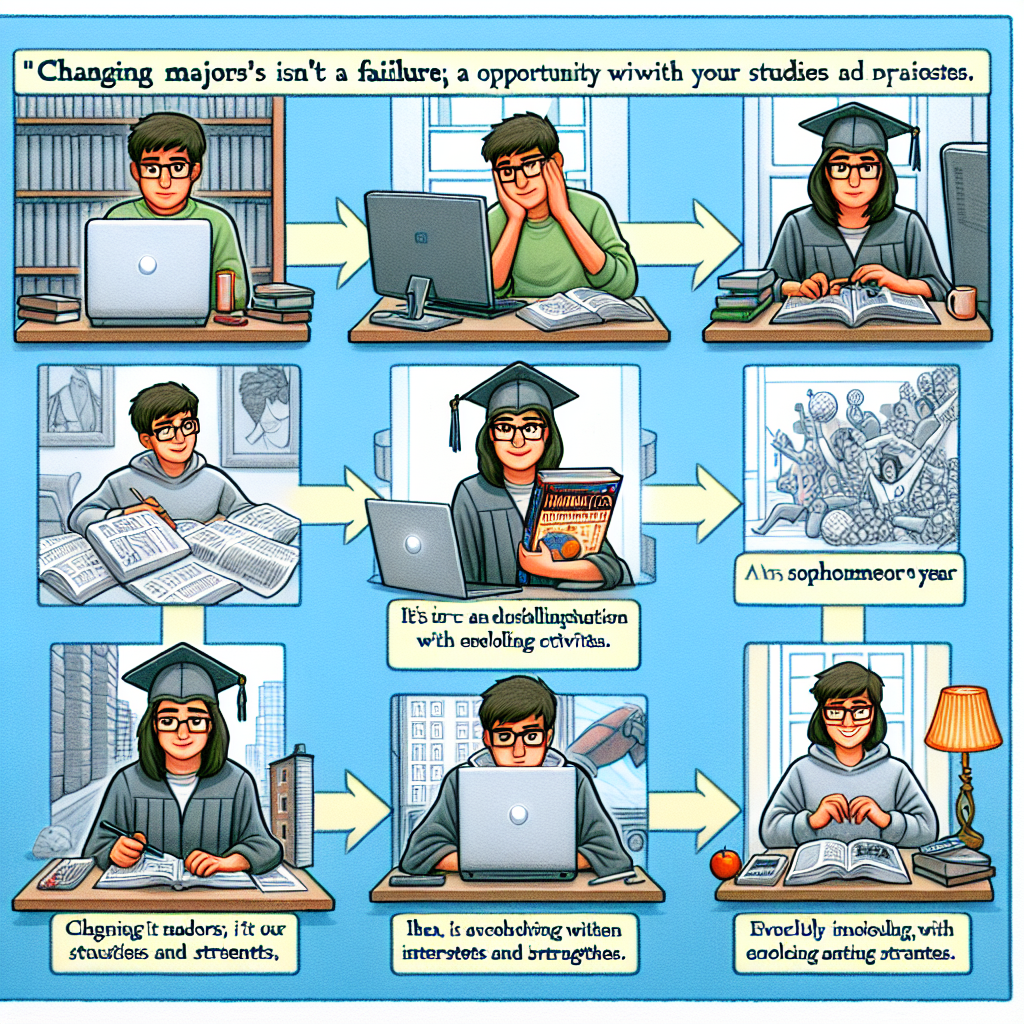
When I first started, I was set on becoming an informatics major. I was determined, but halfway through my sophomore year, I realized I wasn’t passionate about it. College is about discovery—don’t feel stuck if you find out your initial path isn’t right for you. Changing majors isn’t a failure; it’s an opportunity to align your studies with your evolving interests and strengths [4].
However, my family didn’t quite see it that way. They had always envisioned me pursuing a “stable” career, and when I brought up the idea of changing my major, they were not happy. I remember the intense dinner conversation where everyone took turns telling me why informatics was a “sure thing” and that switching majors was a terrible idea. It was tough, but I had to block out the noise and trust my gut. After all, it’s my future, not theirs.

It’s Okay to Drop a Class
Sometimes, a class just doesn’t work out, and that’s okay. You don’t have to stick with something that is negatively impacting your overall experience. I had a class that was way too overwhelming, and dropping it turned out to be one of the best decisions I made. Dropping a class doesn’t mean you’ve failed; it’s a way to protect your well-being and focus on what matters most [2].
Your College Network is More Important Than You Think
Networking isn’t just for landing jobs after graduation. Start building connections now—whether with classmates, professors, or campus staff. You’ll find that having a solid support system helps when the going gets tough. These people can offer advice, provide opportunities, or simply be there when you need a pep talk. The friendships and professional relationships you build now can last a lifetime [5].
You’ll Learn More About Yourself Than Your Studies
Don’t just settle for being a student—become a super-student! It’s honestly not as difficult as it sounds. College is a hub of endless possibilities, and it’s up to you to grab them. Maybe you’ll become a club leader, assist a professor on an exciting project, or even attend a conference packed with passionate minds from across the country. Who knows? You might cross paths with a famous scholar who could inspire your next move. The truth is, there are no limits if you’re open to what college has to offer. The students who embrace these opportunities aren’t just collecting credits; they’re unlocking doors to an incredible future. So, why just view college as a path to a job? Think of it as an adventure, a chance to explore and grow. Be that student who dives in and makes the most of every opportunity!
You’re not going to ace every exam or excel in every situation—and that’s okay. Failure is part of the learning process, and some of the greatest growth comes from the moments when things don’t go as planned. Learn from your mistakes, but don’t let them define you.


Embrace Diversity: The Key to Personal Growth in College
In college, you’ll meet people from all walks of life. Picture a New York state school—you’ll be surrounded by students from cities, suburbs, mountains, and farms. One thing to remember is that everyone is on the same journey, and respecting others is key. But don’t just stick with people who are similar to you—seek out those who are different. They’ll challenge your thinking, introduce you to new perspectives, and help you grow in ways you never imagined. At the end of the day, college is about more than earning a degree—it’s about personal growth, discovering your strengths, passions, and the person you want to become [3].
College is a time of uncertainty—academically, socially, and personally. And that’s okay. Not knowing what’s next doesn’t mean you’re failing; it means you’re learning. Whether it’s being unsure of your major or navigating relationships, embrace the unknown. Growth happens when you step outside your comfort zone, and college is the perfect place for that.
The pressure to know exactly what you want to do for the rest of your life is intense, but the truth is—most people don’t have it all figured out, and that’s okay. College is a time to explore different subjects, meet diverse people, and learn about yourself. It’s okay to change your major, take a class outside your comfort zone, or even take a step back and reevaluate your path.
If I could go back, I’d tell freshman me to slow down, take it all in, and don’t worry about perfection. College is a journey of discovery—embrace it, make mistakes, and remember that every challenge is an opportunity for growth.
Disclosure: This post may contain affiliate links
References
- Healy S. I graduate in two weeks, and it couldn’t be more bittersweet. I learned quite a bit in my last semester, and I want to share what I’ve learned to students who are going through college or are entering college in the fall. [Internet]. Linkedin.com. 2017 [cited 2024 Sep 21]. Available from: https://www.linkedin.com/pulse/things-i-wish-knew-college-freshman-shane-healy
- Huston M. 22 Tips for First-Year College Students [Internet]. Psychology Today. 2018. Available from: https://www.psychologytoday.com/us/blog/darwins-subterranean-world/201808/22-tips-first-year-college-students
- Dewey L. HawkTalk [Internet]. HawkTalk. 2019 [cited 2024 Sep 21]. Available from: https://wagner.edu/hawktalk/things-wish-knew-incoming-freshman/
- Santo O. What I Wish I Knew as a College Freshman [Internet]. Big Ideas Blog. 2014 [cited 2024 Sep 21]. Available from: https://blog.suny.edu/2020/03/what-i-wish-i-knew-as-a-college-freshman/
- Bumsted A. 4 things I wish I knew as a first-year college student [Internet]. Temple Now | news.temple.edu. 2023 [cited 2024 Sep 21]. Available from: https://news.temple.edu/nutshell/2023-07-18/4-things-i-wish-i-knew-first-year-college-student



Leave a Reply